
Do you wish to add some extra spice to your bland meals? Then, try this famous and easy seasoning, salt vinegar seasoning. Use this homemade seasoning to add taste and zest to your meals.
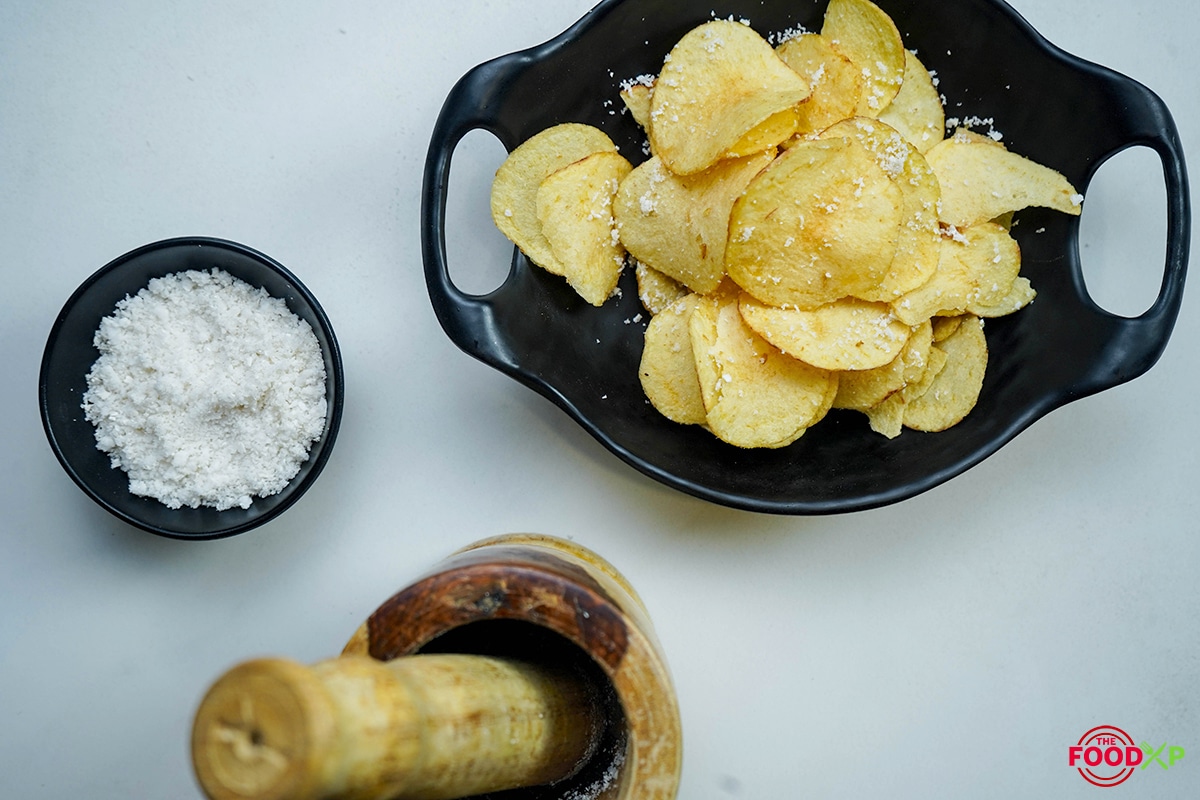
To make salt vinegar seasoning, boil vinegar with the baking powder in a saucepan. When the excess foam settles down, and the water is reduced, pour the liquid into a baking tray. Bake it for 10 minutes.
The process doesn’t end here; the last step implies powder grinding. Add a teaspoon of sea salt to the powdered mixture. Mix it well, and sprinkle seasoning, herbs, and spices on your chips, French fries, or anything else.
Let’s check out the steps for salt vinegar seasoning. This seasoning added to your meals will enhance the subtle and satisfying flavors. Before you step forward, check out the link for amazing other recipe.
Pickled Sausage– The most wonderful thing about these pickled sausages is their sweet, salty, spicy, and vinegary flavors. When you eat it, there is a burst of flavors in your mouth.
What's In The Post
What Are The Tips To Make The Best Salt Vinegar Seasoning?
Salt vinegar seasoning is a popular flavor combination for chips, popcorn, and roasted vegetables. Here are some tips to make the best salt and vinegar seasoning:
- Use Quality Ingredients – The key to making the best salt and vinegar seasoning is to use high-quality ingredients. Use good-quality vinegar and sea salt to enhance the flavor.
- Balance The Salt And Vinegar – The key to a great salt and vinegar seasoning is finding the right balance between salt and vinegar. Add a small amount of vinegar to the salt, and taste as you go. Adjust the ratio to your liking.
- Use Different Types Of Vinegar – To create different flavour profiles, such as apple cider vinegar, white wine vinegar, or balsamic vinegar. You can experiment with different types of vinegar.
- Add Some Herbs And Spices – For an extra flavor boost, add some herbs and spices to the salt and vinegar seasoning, such as garlic powder, onion powder, or dried herbs like thyme or rosemary.
- Use A Food Processor – To create a fine texture for your salt and vinegar seasoning, you can use a food processor to blend the salt and vinegar. It will create a fine powder that will stick well to your food.
- Allow It To Dry – After making your salt and vinegar seasoning, spread it on a baking sheet and let it dry for a few hours before using. It will help the seasoning to adhere better to your food and give it a more intense flavor.
Following these tips, you can make the best salt and vinegar seasoning to flavor your favorite foods deliciously.

What Are The Two Popular Methods To Make Salt And Vinegar Seasoning?
There are several methods to make salt and vinegar seasoning, but the two most popular ones are:
- Basic Salt And Vinegar Seasoning Method – This method involves simply combining salt and vinegar in a bowl and whisking them together until the salt dissolves. You can adjust the ratio of salt to vinegar to your liking, but a good starting point is 1 tablespoon of vinegar to 1/4 cup of salt. Once you have mixed the salt and vinegar, spread the mixture on a baking sheet and let it dry for a few hours. It will create a fine powder that you can use to season your favorite foods.
- Baked Seasoning Method – The baked Salt and Vinegar Seasoning Method involves baking the vinegar and salt mixture to create a more intense flavor. To make this seasoning, mix salt and vinegar in a bowl and then spread the mixture on a baking sheet. Bake the mixture at a low temperature (around 200°F) for about 20-30 minutes or until the mixture has dried out completely. Once the mixture has cooled, you can break it into small pieces and use it to season your favorite foods.
Both methods are easy and effective ways to season salt and vinegar at home. The basic method is quicker, while the baked method takes a little more time but creates a more intense flavor.
You can experiment with different types of vinegar and adjust the ratio of salt to vinegar to create the perfect seasoning for your taste buds.

Are Salt And Vinegar Seasoning Healthy?
Salt and vinegar seasoning can be part of a healthy diet in moderation, but it should be used sparingly due to its high sodium content.
Seasoning and vinegar typically contain salt, vinegar, and sometimes additional flavorings or additives.
While vinegar is a low-calorie ingredient with potential health benefits, excessive salt consumption can lead to high blood pressure and other health problems.
Therefore, it is important to use salt and vinegar seasoning in moderation and to balance it with other seasonings and ingredients in your diet.
Additionally, if you have any medical conditions or concerns about your sodium intake, it is best to consult with a healthcare professional before consuming salt and vinegar seasoning or any other high-sodium foods.

What Can You Use Salt And Vinegar Seasoning For?
Salt and vinegar seasoning is a versatile seasoning used on various foods. Here are some ideas for how you can use salt and vinegar seasoning:
- Chips And Snacks – Salt and vinegar seasoning is a classic seasoning for potato chips, but you can also use it on other snacks like popcorn, pretzels, and nuts.
- Roasted Vegetables – Salt and vinegar seasoning is a great way to add flavor to roasted vegetables like potatoes, carrots, and Brussels sprouts.
- Salad Dressing – You can use salt and vinegar seasoning to make a tangy salad dressing. Mix the seasoning with olive oil and lemon juice for a simple and flavorful dressing.
- Meat And Seafood – Salt and vinegar seasoning can add a tangy flavor to meat and seafood dishes like roasted chicken, grilled shrimp, or fish and chips.
- French Fries – Salt and vinegar seasoning is a classic seasoning for French fries. You can sprinkle it on hot fries for a delicious and tangy flavor.
- Roasted Nuts – Salt and vinegar seasoning is also great on roasted nuts like almonds, cashews, and peanuts.
- Pickles – If you love pickles, add some salt and vinegar seasoning to them for an extra flavor boost.
Salt and vinegar seasoning can add tangy and flavorful accents to various dishes.

Can Salt And Vinegar Seasoning Substitute Liquid Vinegar?
Salt and vinegar seasoning cannot be used as a substitute for liquid vinegar, as they have distinct properties and uses.
Salt and vinegar seasoning is a dry blend of salt, vinegar powder, and other seasonings that add a tangy and salty flavor to foods. On the other hand, liquid vinegar is an acidic liquid made from the fermentation of alcohol or grains and is commonly used for cooking, cleaning, and preserving foods.
While both products contain vinegar, the difference lies in their concentration and composition.
Liquid vinegar is much more acidic and has a more pronounced sour taste than salt and vinegar seasoning, which is milder and contains other flavorings besides vinegar.
Therefore, salt and vinegar seasoning may substitute liquid vinegar in some recipes where a tangy and salty flavor is desired, such as seasoning chips or popcorn.
However, it cannot be used as a direct replacement for liquid vinegar in recipes that require acidity for cooking or preserving, such as pickling, marinades, or salad dressings. In those cases, liquid vinegar should be used instead.

What Equipment Will You Need To Make Salt Vinegar Seasoning?
- Oven – The liquid mixture will be converted into powder once you bake it. Use the oven for baking the liquid mixture for 10 minutes.
- Saucepan – Use a saucepan to stew the baking powder with vinegar.
- Mortar And Pestle – The baked baking powder will need a grind. Crush the mixture to break the lumps by using a mortar and pestle.
- Knife – Scrape of the baked mixture with a knife for grinding.
How Much Time Will You Need To Make Salt Vinegar Seasoning?
| Preparation time | Cooking time | Total time |
| 5 Minutes | 15 Minutes | 20 Minutes |
What Ingredients Will You Need To Make Salt Vinegar Seasoning?
- Vinegar – Adding vinegar to the baking powder will produce a chemical reaction that makes baked goods light and airy.
- Baking Powder – Adding baking powder with vinegar will let it activate first with the liquid and then while heating in the oven.
- Salt – I suggest not adding more than a pinch as the baking powder also has a sodium quantity.

Can You Add Other Spices To The Salt And Vinegar Seasoning?
Yes, you can add other spices to salt and vinegar seasoning to customize the flavor and enhance the overall taste of the seasoning. Adding other spices can also help balance the vinegar’s acidity and create a more complex and nuanced flavor profile.
Some spices that work well with salt and vinegar seasoning include black pepper, garlic powder, onion powder, cayenne pepper, paprika, and dried herbs such as thyme or rosemary.
You can experiment with different combinations of spices to find a flavor that suits your taste preferences. When adding other spices to salt and vinegar seasoning, it’s important to use them in moderation and to balance them with salt and vinegar.
Start with small amounts of additional spices and taste the seasoning to avoid over-seasoning. Mix the spices thoroughly to ensure even distribution throughout the seasoning blend.
Steps To Make Salt Vinegar Seasoning

Step 1- Take a saucepan, and add vinegar and some baking powder.
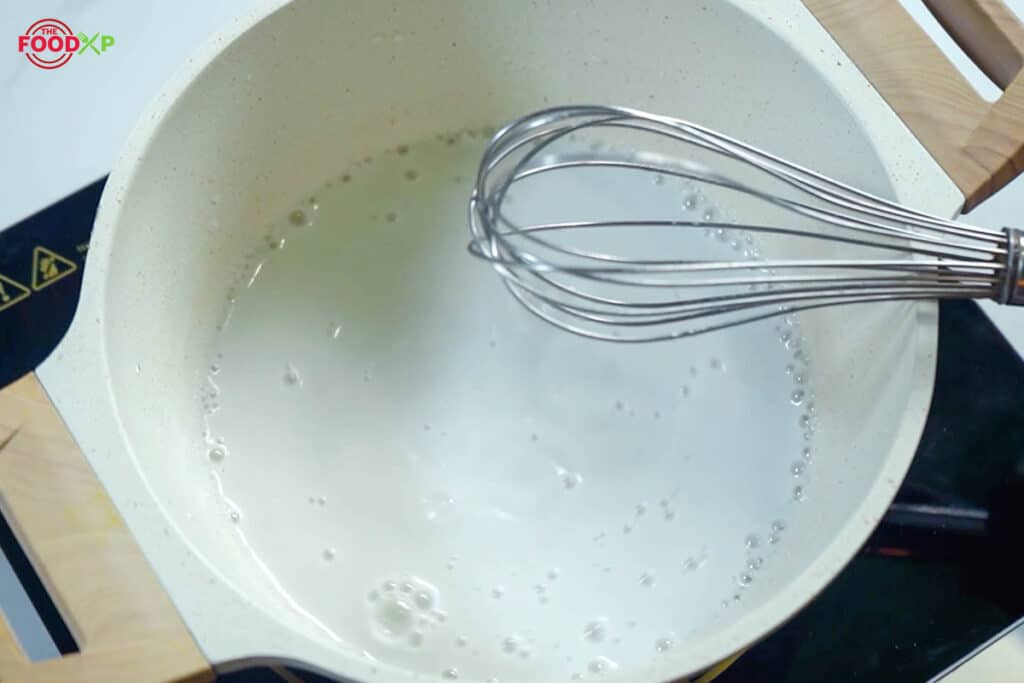
Step 2- Keep stirring while frothing is taking place.

Step 3- Whisk it properly and let it boil for 15 to 20 minutes. Reduce the liquid to half and stir until the frothing is stopped.
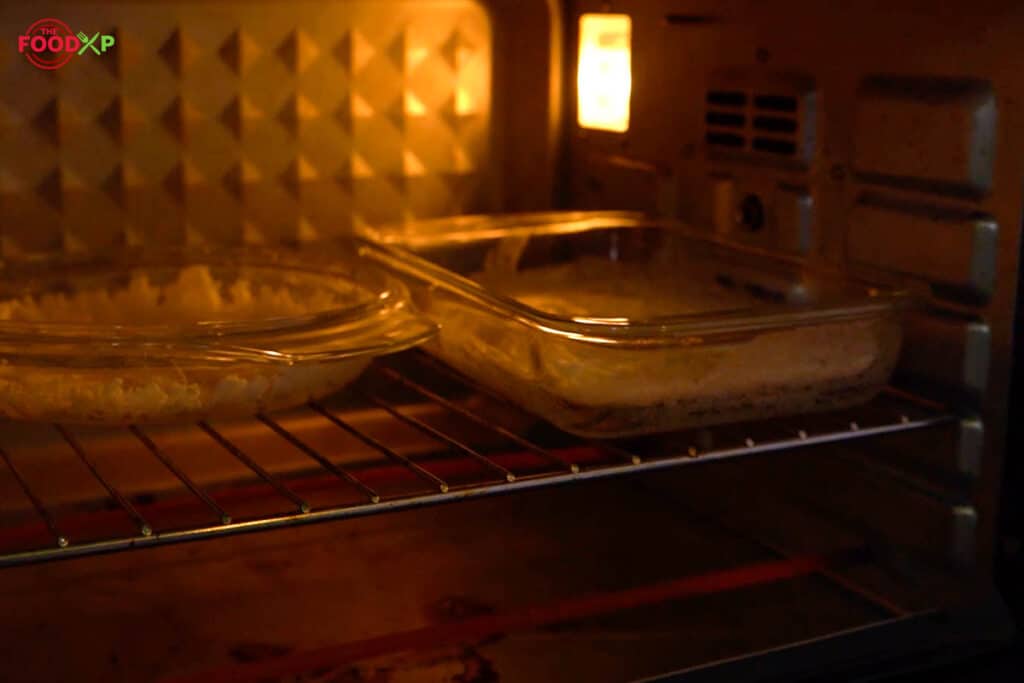
Step 4- Pour this prepared liquid mixture into the baking tray and bake it. Reduce the liquid to half and stir until the frothing is stopped
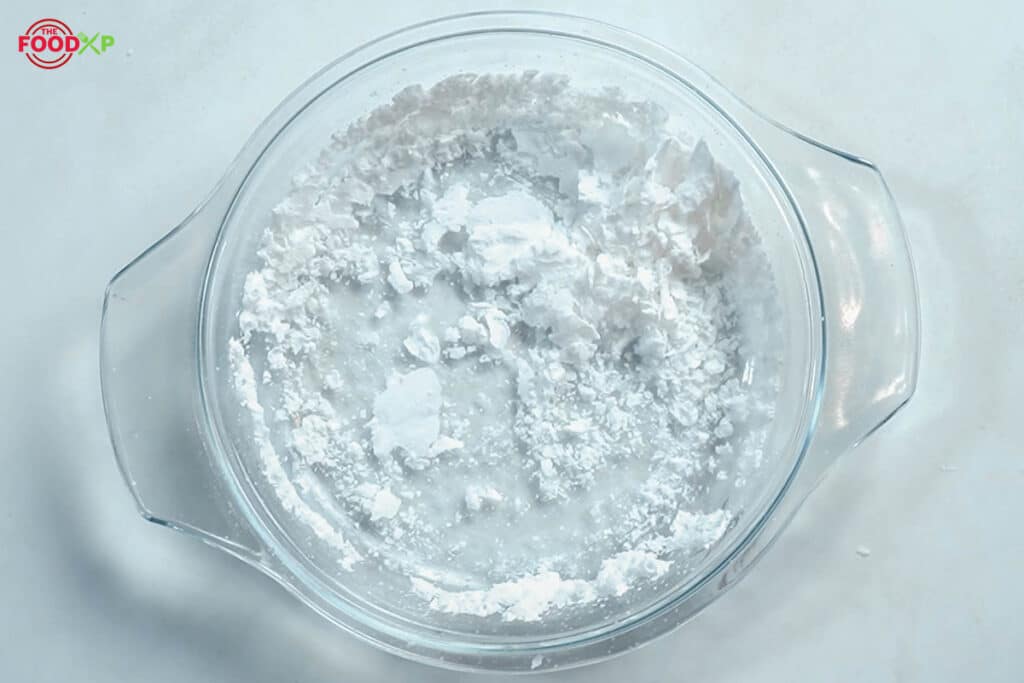
Step 5- Scrape this mixture with the help of a knife.
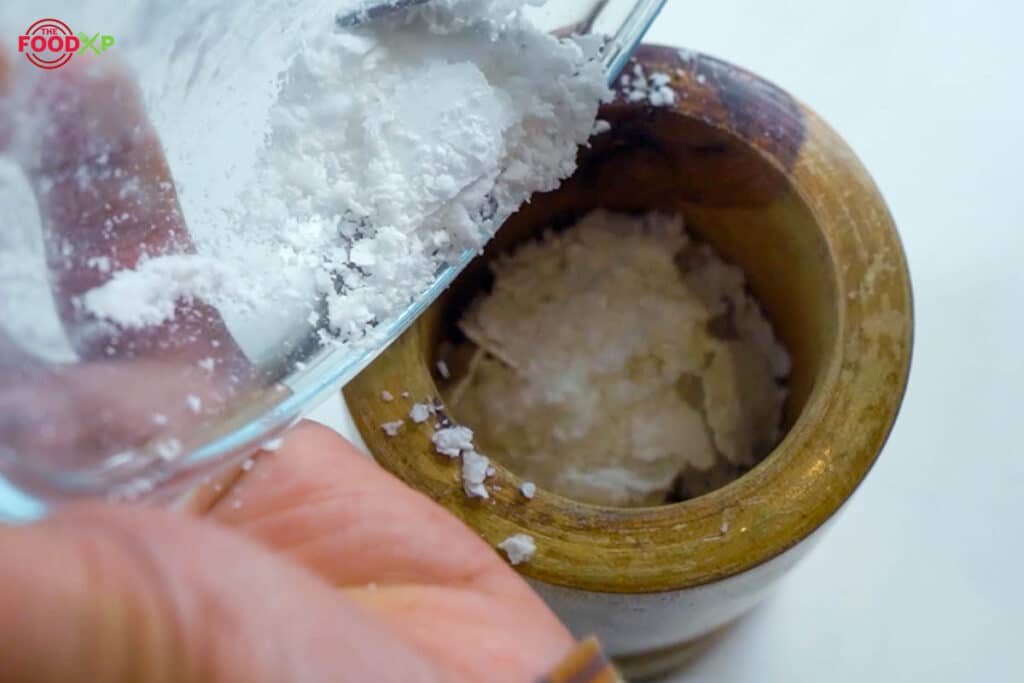
Step 6- Add this mixture to a mortar and crush it with a pestle.

Step 7- Time to add salt into the mixture and mix it properly.

Step 1- Our salt vinegar seasoning is ready to sprinkle on your favorite snacks.
Nutritional Information
| Calories | 10 kcal |
| Carbohydrates | 2 g |
| Sodium | 260 mg |
| Calcium | 13 mg |
How Will Salt Vinegar Seasoning Look And Taste Like?
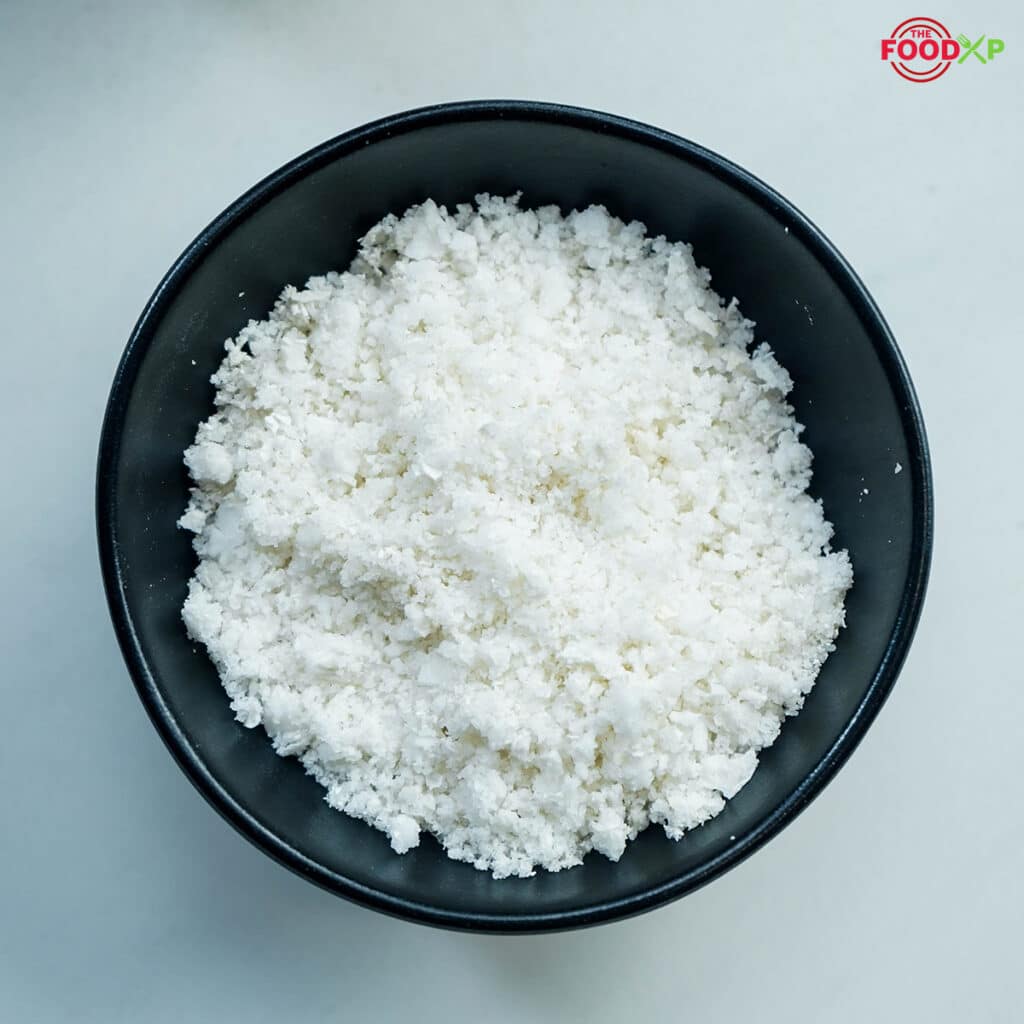
The salt vinegar seasoning is like a refined clear white powder. It will add a spicy and tart flavor to your meals. It is a dry, powdery mixture of fine white salt crystals and light brown vinegar powder.
When you will sprinkle salt and vinegar seasoning, you will feel a tangy and acidic flavor, with a noticeable saltiness. The level of tanginess may vary depending on the brand and the amount used, but it is generally milder than liquid vinegar.
You can store the seasoning for days or weeks and sprinkle it on all your meals. Enjoy your happy seasoning.

Do Salt And Vinegar Seasoning Taste Too Acidic?
Due to the vinegar content, salt and vinegar seasoning can have a tangy and acidic taste. Still, the level of acidity can vary depending on the brand and the amount used.
Some may find the flavor too strong or overpowering, while others enjoy the tanginess.
If you find the flavor of salt and vinegar seasoning too acidic, you can try using it in smaller amounts or balancing it out with other seasonings or ingredients.
For example, mix it with a sweet or savory spice to balance the tanginess or use it as a topping on a neutral or sweet dish.
Recipe Card

Salt Vinegar Seasoning Recipe
Equipment
- Saucepan
- Oven
- Mortar and Pestle
- Knife
Ingredients
- 1 cup White Vinegar
- 2 tablespoons Baking Powder
- ½ teaspoon Salt
Instructions
- Take a saucepan, and add vinegar and some baking powder.

- Keep stirring while frothing is taking place.
- Whisk it properly and let it boil for 15 to 20 minutes. Reduce the liquid to half and stir until the frothing is stopped.
- Pour this prepared liquid mixture into the baking tray and bake it. Reduce the liquid to half and stir until the frothing is stopped
- Scrape this mixture with the help of a knife.
- Add this mixture to a mortar and crush it with a pestle.
- Time to add salt into the mixture and mix it properly.
- Our salt vinegar seasoning is ready to sprinkle on your favorite snacks.


Video
Nutrition
Frequently Asked Questions (FAQs)
What is salt and vinegar seasoning?
Salt and vinegar seasoning is a flavorful combination of salt and vinegar that can be used to add tangy flavor to a variety of foods.
How do you make salt vinegar seasoning?
There are several methods to make salt vinegar seasoning, but the basic method involves combining salt and vinegar in a bowl and whisking them together until the salt dissolves. The mixture can then be spread out on a baking sheet and dried to create a fine powder.
How do you store salt and vinegar seasoning?
Salt and vinegar seasoning should be stored in an airtight container in a cool, dry place, away from direct sunlight.
Can you make salt and vinegar seasoning without vinegar?
No, vinegar is a key ingredient in salt and vinegar seasoning and cannot be substituted.
Conclusion
I hope you will like this recipe and definitely make it at your home. Please tell us your views and thoughts about this recipe. Till then stay tuned and happy cooking.

