
How to Make Tamarind Candy At Home

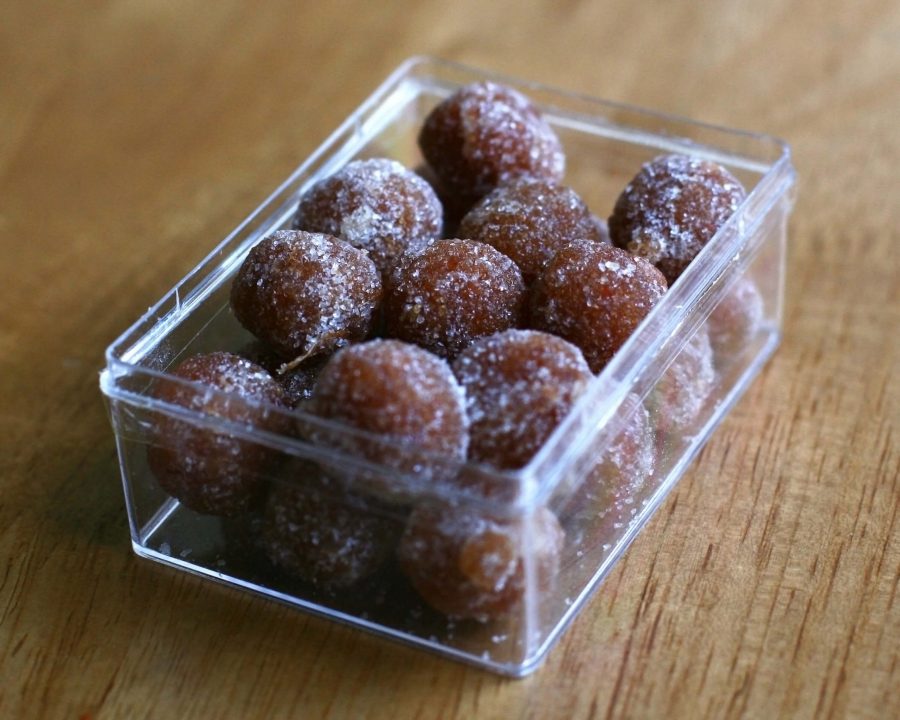
If you are a fan of sweet and tangy flavors, tamarind candy is bound to be your next favorite treat. With its unique combination of tartness from tamarind and the perfect hint of sweetness, this candy is something that never fails to impress. Stick with me, and I’ll show you just how easy it is to create this delicious candy at home.

Back-Tamarind-Candy-Cutout

Tamarind has been a staple in many cuisines for centuries, and I’ve always found its use in both savory and sweet dishes fascinating. Its roots trace back to Latin America and parts of Asia, where it is a staple. 

Tamarind candy has been a part of my life for as long as I can remember. Growing up, it was the snack of choice during family gatherings, road trips, or even lazy afternoons at home. The version I’m sharing today came to life after countless attempts to recreate the tamarind candies I loved as a kid. 

What makes my recipe stand out is the different seasonings. Unlike the more traditional recipes, which often stick to basic tamarind and sugar, this recipe offers something that feels a bit more dynamic. 

What I love most about this recipe is its simplicity. Don’t be intimidated by the exotic ingredients! It requires minimal equipment and a short amount of time, so keep reading to learn how to bring this flavor-packed candy into your home.

Equipment Required

  • Mixing Bowls: I use medium-sized bowls to combine the tamarind pulp and sugar, but any size that allows comfortable stirring will work fine.
  • Spatula: A silicone spatula is my go-to for mixing everything evenly, especially when incorporating the sugar and cornstarch into the tamarind paste. If you don’t have one, a regular spatula works just as well.
  • Measuring Cups And Spoons: I recommend using measuring cups and spoons to ensure the right balance of ingredients.
  • Parchment Paper: To place the rolled tamarind candies, I recommend using parchment paper. It prevents them from sticking together while they set. If you don’t have one, wax paper will do the job.
Homemade-Tararind-Candy-Recipe

Preparation And Cooking Time

Preparation Time Cooking Time Total Time
15 Minutes10 Minutes25 Minutes

How To Make Tamarind Candy At Home

Tamarind-Candy-Step-1
Tamarind-Candy-Step-2
Tamarind-Candy-Step-3
Tamarind-Candy-Step-4
Tamarind-Candy-Recipe

Expert Tips That I Recommend

  • I recommend adding a tiny splash of fresh orange juice to the tamarind paste. It subtly brightens the tanginess without overpowering the dish, creating a more rounded flavor profile.
  • For an unexpected layer of flavor, you can add a hint of roasted cumin powder. Just a small pinch is enough to introduce an earthy, warm undertone that complements the tamarind’s natural tartness.
  • Suppose you’re seeking a more complex heat; experiment with a touch of ground Sichuan peppercorns. These offer a numbing, tingling heat that changes the entire experience of the candy.
  • I find that adding a small pinch of black salt enhances the umami depth of the tamarind candy. It will bring out the savory side of the tamarind, creating an interesting balance of flavors.
  • For a more intense flavor, let the tamarind and sugar mixture sit overnight before using it. This resting period helps the flavors merge more fully, creating a deeper, more cohesive taste.
  • To add a tangy kick, I suggest incorporating a small amount of lime juice after mixing the tamarind paste. It brightens the flavor and creates a contrast to the sweetness.
  • If you’re looking for a bit of complexity, try mixing in a dash of dried ginger powder. It adds a warm, slightly spicy note that balances the sharp tang of the tamarind beautifully.
  • For a richer texture, fold in a teaspoon of softened butter during the mixing process; it adds a velvety smoothness.
  • To intensify the sweetness without making it overly sugary, consider adding a small amount of honey. It creates a floral sweetness that balances the tartness of the tamarind without overpowering it.
  • If you’re after a more refined texture, I suggest using a fine mesh strainer to remove any fibrous bits from the tamarind paste before mixing it with the sugar for a smoother, silkier consistency.
  • For a surprising layer of complexity, try using a drop of pure vanilla extract. It adds a touch of warmth and sweetness that balances the acidity of the tamarind.
  • To give each bite of your candy a soft chewiness and slight nuttiness, I suggest adding a small amount of dried coconut flakes.
  • If you’re aiming for an extra zing in your candy, I suggest adding a little bit of citric acid. It heightens the tanginess without overshadowing the tamarind, making the sour notes pop more.
  • To amplify the texture, consider rolling the candy in a fine powder of toasted rice flour. It provides a slight crunch without altering the flavor too much.
  • One technique I suggest is using a dehydrator or low-temperature oven to dry out the candy before coating. This process gives the candy a better consistency and ensures the coating adheres to the balls better.  
  • If you want your candy to have a perfectly glossy finish, you can brush them with some honey and water before coating them.

FAQs About Tamarind Candy

Nutritional Information Per Serving

This tamarind candy isn’t the healthiest due to its high sugar content, so it’s best enjoyed in moderation. While it offers a delicious sweet and tangy flavor, I recommend treating it as an occasional indulgence rather than a regular snack.

Below are the exact nutritional values for this recipe for your reference:

Calories125 kcal
Carbohydrates32 g
Protein1 g
Fat0.2 g
Saturated Fat0.1 g
Polyunsaturated Fat0.1 g
Monounsaturated Fat0.04 g
Sodium6 mg
Potassium132 mg
Fiber1 g
Sugar26 g
Vitamin A293 IU
Vitamin C1 mg
Calcium16 mg
Iron1 mg

This recipe is suitable for those who enjoy sweet treats now and then. However, it’s not ideal for people on low-sugar, keto, diabetic, or paleo diets due to the sugar content.

How-To-Make-Tamarind-Candy-At-Home-1

Recipe Variations For Different Diets

  • Keto and Low-Carb Diet: For those following a keto or low-carb diet, I suggest swapping the white sugar with a low-carb sweetener like erythritol or stevia, or monk fruit sweetener, which has a similar sweetness but fewer carbs. 
  • Paleo Diet: To make this candy paleo-friendly, I suggest replacing the white sugar with coconut sugar, which is a more natural sweetener that fits the paleo guidelines. You could also swap cornstarch with arrowroot powder as a thickening agent.

Storing This Recipe

  • Refrigeration: I recommend storing any leftover tamarind candy in an airtight container in the refrigerator. It should last for about a week in the fridge. Consider checking it every few days to make sure it hasn’t absorbed any moisture. I prefer using glass jars or plastic containers that seal well, as they prevent the candy from drying out or getting too sticky.
  • Freezing: Freezing is also a great option if you want to keep the tamarind candy for a longer period. I suggest wrapping the candy in parchment paper or plastic wrap before placing it in a freezer-safe bag or container. This keeps the candy from sticking together and helps maintain its texture. You can store it in the freezer for up to three months. Just let it thaw at room temperature for a few minutes before eating.

What To Serve With This Recipe

If you’re enjoying this Tamarind candy and would like to take it up a notch, exploring pairings can be a fun way to do it. One of my personal favorites is pairing sweet tamarind with roasted nuts like Peanuts and Cashews. The buttery flavors of the nuts perfectly complement the tangy sweetness of the candy.

For a Mexican twist, I suggest enjoying these candies with a chilled bottle of Topo Chico. The fizzy drink adds a refreshing touch and makes it lively. If you don’t mind a little bit of alcohol, pairing these candies with Tepache or Tejuino adds a unique, tangy edge to the experience.

For an Asian-inspired pairing, young Coconut Strips or coconut shavings are a great choice. The gentle sweetness and tender texture of coconut create a lovely contrast to the candy’s intense flavor. I definitely recommend giving it a try. 

Printable Version

Tamarind Candy Recipe

Author : Chef Jasbir
Serving : 24 Balls/Candies
Calories : 125 kcal
Total time : 25 minutes
Today, I am going to help you recall all your memories of your childhood with a tamarind candy recipe.
4 from 12 votes
LEAVE REVIEW »

Ingredients

  • 1 Pound Tamarind Pods Skin Removed, Seeds In
  • 16 Ounces White Sugar
  • 2 Tbsp Chili Lime Seasoning
  • 4 Tbsp Cornstarch
  • Extra Sugar And Chili Powder For Coating
  • 1 Cup Hot Water To Hydrate Tamarind

Equipment

  • Mixing Bowls
  • Spatula
  • Measuring Cups And Spoons
  • Parchment Paper

Instructions
 

  • Place the peeled tamarinds in a large bowl and pour in enough hot water to fully submerge them. Let them soak for about 20 minutes, stirring occasionally to ensure all the tamarinds are evenly softened.
    Tamarind-Candy-Step-1
  • Once the tamarinds are soaked, use your hands to gently break apart the pulp, separating it and removing as many veins as possible. It’s perfectly fine if a few veins remain.
    Tamarind-Candy-Step-2
  • Now, add the white sugar, chili lime seasoning, and cornstarch to the tamarind pulp. Using a spatula, mix everything together until you have a smooth, sticky paste. Cover the bowl and refrigerate for 20 minutes to let the flavors come together.
    Tamarind-Candy-Step-3
  • To form the candy balls, dampen your hands with water to prevent the paste from sticking. Roll the paste into small balls, then use spoons to coat them in sugar for a sweet treat or chili lime powder for a spicy kick.
    Tamarind-Candy-Step-4
  • Your homemade tamarind candy is now ready to enjoy!
    Tamarind-Candy-Recipe

Video

Notes

  • I recommend adding a tiny splash of fresh orange juice to the tamarind paste. It subtly brightens the tanginess without overpowering the dish, creating a more rounded flavor profile.
  • For an unexpected layer of flavor, you can add a hint of roasted cumin powder. Just a small pinch is enough to introduce an earthy, warm undertone that complements the tamarind’s natural tartness.
  • Suppose you’re seeking a more complex heat; experiment with a touch of ground Sichuan peppercorns. These offer a numbing, tingling heat that changes the entire experience of the candy.
  • I find that adding a small pinch of black salt enhances the umami depth of the tamarind candy. It will bring out the savory side of the tamarind, creating an interesting balance of flavors.
  • For a more intense flavor, let the tamarind and sugar mixture sit overnight before using it. This resting period helps the flavors merge more fully, creating a deeper, more cohesive taste.
  • To add a tangy kick, I suggest incorporating a small amount of lime juice after mixing the tamarind paste. It brightens the flavor and creates a contrast to the sweetness.
  • If you’re looking for a bit of complexity, try mixing in a dash of dried ginger powder. It adds a warm, slightly spicy note that balances the sharp tang of the tamarind beautifully.
  • For a richer texture, fold in a teaspoon of softened butter during the mixing process; it adds a velvety smoothness.
  • To intensify the sweetness without making it overly sugary, consider adding a small amount of honey. It creates a floral sweetness that balances the tartness of the tamarind without overpowering it.
  • If you’re after a more refined texture, I suggest using a fine mesh strainer to remove any fibrous bits from the tamarind paste before mixing it with the sugar for a smoother, silkier consistency.
  • For a surprising layer of complexity, try using a drop of pure vanilla extract. It adds a touch of warmth and sweetness that balances the acidity of the tamarind.
  • To give each bite of your candy, a soft chewiness and slight nuttiness, I suggest adding a small amount of dried coconut flakes.
  • If you’re aiming for an extra zing in your candy, I suggest adding a little bit of citric acid. It heightens the tanginess without overshadowing the tamarind, making the sour notes pop more.
  • To amplify the texture, consider rolling the candy in a fine powder of toasted rice flour. It provides a slight crunch without altering the flavor too much.
  • One technique I suggest is using a dehydrator or low-temperature oven to dry out the candy before coating. This process gives the candy a better consistency and ensures the coating adheres to the balls better.  
  • If you want your candy to have a perfectly glossy finish, you can brush them with some honey and water before coating them.
Prep Time : 15 minutes
Cook Time : 10 minutes
Total Time : 25 minutes
Cuisine : American
Course : Candies

Nutrition

Calories : 125kcal  |  Carbohydrates : 32g  |  Protein : 1g  |  Fat : 0.2g  |  Saturated Fat : 0.1g  |  Polyunsaturated Fat : 0.1g  |  Monounsaturated Fat : 0.04g  |  Sodium : 6mg  |  Potassium : 132mg  |  Fiber : 1g  |  Sugar : 26g  |  Vitamin A : 293IU  |  Vitamin C : 1mg  |  Calcium : 16mg  |  Iron : 1mg

More Dessert Recipes That You Can Try

Conclusion

Tamarind candy holds a special place in my heart as a nostalgic treat that never gets old. The tangy tamarind, paired with sweet sugar and a kick of spicy chili powder, creates a flavor profile that’s both unique and irresistibly delicious. Every bite is a burst of complex flavors that keep you coming back for more.

The recipe I’ve shared with you is perfect for impressing friends and family with something a little different or simply enjoying a homemade version of a childhood favorite. Whether you like it sweet, spicy, or somewhere in between, I’m sure you’ll find this tamarind candy just as satisfying as I do. 

Once you try making this tamarind candy, I’d love to know how it turns out for you. So, don’t hesitate to share your experience or any tweaks you made along the way. I’ll be back with more recipes soon, so stay tuned.

1 thought on “How to Make Tamarind Candy At Home”

3.59 from 12 votes (11 ratings without comment)

Leave a Comment

Your email address will not be published. Required fields are marked *

Recipe Rating
