
Here’s a rich and vibrantly hued cut to seek out next time at the fish market, salmon belly! It is loaded with omega 3 fatty acids and is incredibly delicious. The recipe originated from Norway and became famous in many parts of the world. Now without waiting more, let’s dive in to make this protein-packed salmon belly at home.
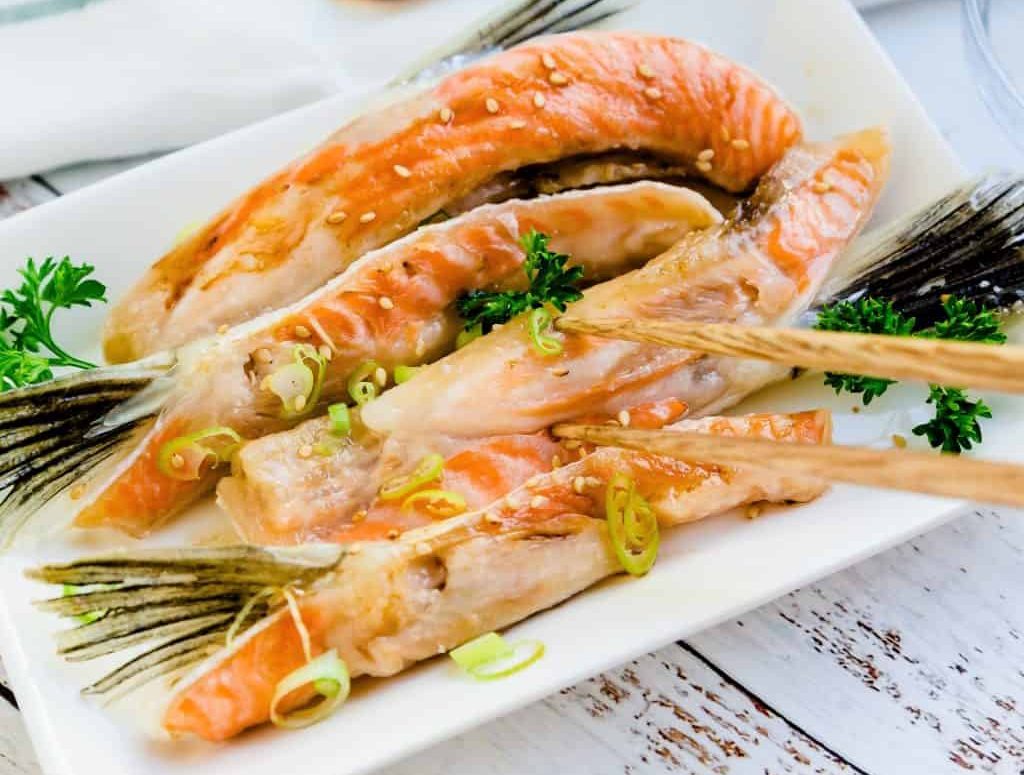
For making salmon belly, take a bowl to marinate the salmon. Add minced garlic, black pepper, salt, and lemon juice. Keep it aside for 10 minutes. Simultaneously, take another bowl, add flour, cornstarch, black pepper, an egg, and cold water. Mix it well. Then, take the marinated salmon, coat it with the dry flour, then with the flour batter, and at last with bread crumbs. Deep fry the coated salmon and serve.
The easiest and crispiest way to enjoy your salmon belly is to deep fry over medium heat. The thin flour batter and bread crumbs used for coating will result in a crisp and crunchy texture. So, what are you waiting for? Try making this recipe and serve it with your choice of sauce to dip into.
I have shared the list of equipment, ingredients, and nutritional information in the article below. Check out the entire recipe and make sure not to skip out on anything. There are other main course recipes mentioned in this article. Tap the link and follow to know more about the recipes.
1. Baked Whole Trout- Fish is a great food to constitute in your meals. Today, I will be sharing a recipe of baked whole trout that can be made at home easily.
2. Chicken Tetrazzini- This Chicken Tetrazzini is easy, creamy, cheesy, delicious, and loved by everyone! It’s classic comfort food and a perfect dinner for the entire family.
3. Butternut Squash Lasagna- Cooking lasagna might look like a task to you. But this recipe will make turn this thought of yours into a myth. It is an easy recipe. You can even make this recipe ahead of the serving day and freeze it.
4. Pork Picnic Shoulder- Picnic shoulder is the most flavorful part of the meat. It is tough to cook, which is why it requires a lot of time as it has to be cooked slowly.
What's In The Post
What Equipment Will You Need To Make Salmon Belly?
- Mixing Bowls – Take two bowls, one to marinate the salmon belly, and another to make the flour batter.
- Frying Pan – Use a frying pan to deep fry the salmon belly.
- Perforated Ladle – The perforated ladle will help you get rid of excess oil.
How Much Time Will You Need To Make Salmon Belly?
| Preparation Time | Cooking Time | Total Time |
|---|---|---|
| 5 Minutes | 20 Minutes | 25 Minutes |
What Ingredients Will You Need To Make Salmon Belly?
- Salmon Belly – Seek out for a rich cut that is salmon belly. The quantity can vary according to the servings.
- Flour – Make a thin batter by using all-purpose flour.
- Cornstarch – Mixing cornstarch with flour, egg, and cold water will result in crisp and crunchy salmon.
- Egg – The egg will bind the batter nicely.
- Black Pepper – Season freshly ground pepper in the marinade. It will add some spice to your salmon.
- Salt – Add kosher salt to your taste.
- Minced Garlic – Adding minced garlic to your marination will infuse the aromatic and intense flavors.
- Lemon juice – When you add lemon juice the results are super flavorful. Moreover, it tenderizes the salmon.
- Bread Crumbs – Coat your salmon belly with bread crumbs before you fry them.
Steps To Make Salmon Belly
1. Fuse
Use a bowl to marinate the salmon. Add salmon belly slices, black pepper, salt, and lemon juice. Mix it well and keep it aside for 10 minutes. At the same time take another bowl to make the flour batter. Add two tablespoons of flour, a teaspoon of cornstarch, an egg, and cold water. Whisk until you achieve a batter that is neither too thick nor thin.
2. Varnish
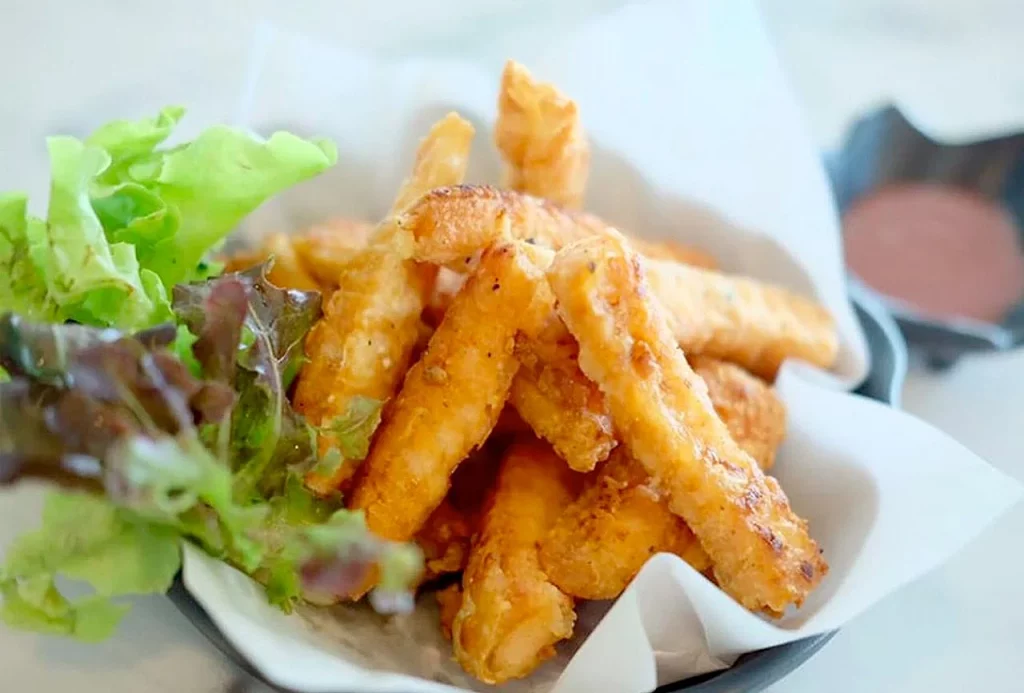
Coat the salmon with the dry flour and then the wet batter. It will help the batter to stick around the fish. At last, swirl the salmon into the bread crumb mixture. Put it into the frying pan. Deep fry until you see the crisp and brown texture. Serve the salmon belly with your choice of sauces! Pan-fry the salmon at 232℃.
Nutritional Information
| Calories | 382 kcal |
| Fat | 38 g |
| Protein | 22 g |
| Cholesterol | 63 mg |
| Sodium | 61 mg |
| Iron | 1 mg |
How Does The Salmon Belly Look And Taste Like?
Salmon belly is highly nutritious and rich. The crispy brown texture looks appetizing and tastes delightful. To add some freshness to your salmon squeeze fresh lemon juice over the fish. Last, season it with fresh ground pepper.
Recipe Card

Salmon Belly Recipe
Equipment
- Mixing Bowl
- Frying Pan
- Perforated Ladle
Ingredients
- 250 g Salmon Belly
- 1 teaspoon Salt
- 1 teaspoon Cornstarch
- 1 large Black Pepper
- ½ cup Flour
- 1 Egg
- 1 tablespoon Minced Garlic
- 1 tablespoon Lemon Juice
- 1/2 cup Bread Crumbs
Instructions
- Marinate the salmon belly with salt, pepper, and lemon juice. Keep it aside for 10 minutes.
- In a separate bowl, add flour, a teaspoon of cornstarch, salt, pepper, egg, and cold water. Meanwhile, heat some oil in a frying pan over medium heat.
- Now coat the salmon with dry flour, then dip the salmon in the wet batter. At last coat, it with the bread crumbs and put it into the frying pan.
- Serve, when it is fried.
Video

Nutrition
Follow the entire recipe to make salmon belly at home. Let me know how it goes in the comment section below.

