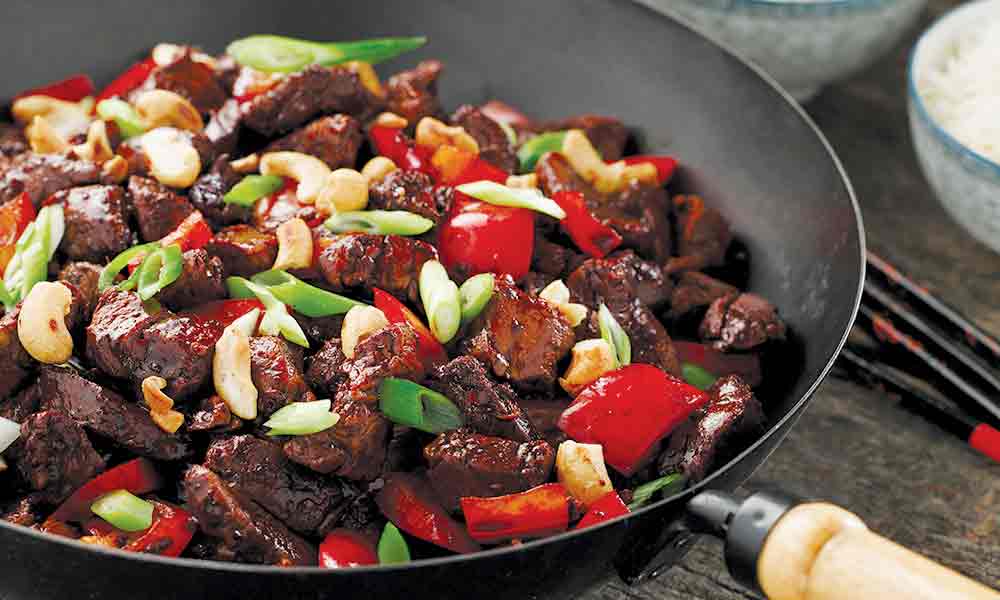
Kung Pao Pork Recipe

If you are familiar with Chinese cuisine then you know how big Kung Pao pork is there.Almost every Chinese restaurant has this dish on their menu and I don’t blame them because once I started making it at home this has been on weekly rotation for me.

Pork-Kung-Pao-Style

As someone who loves eating pork I always used to have them in the same way until I discovered this recipe.Tender pork covered in sweet and spicy sauce is the ultimate fusion of exotic flavours to the finest which tantalizes my tastebuds like nobody’s business.

What I enjoy even more is the texture of this dish, which is juicy and crispy at the same time. Taking a bite of the outer crunchy layer with moist inner pork inside feels like entering heaven for me.

If you are a foodie who enjoys food with textures, then you know what I am talking about. This recipe has been a game changer for me and many  others who have read and made it at their home.

If you are hesitant to make it at home because the name sounds quite fancy then don’t you worry because it only calls for basic stir frying techniques.

So let’s get into making a simple and delicious chinese recipe at home which will become your instant favourite with the first bite. Lets dive in!

Equipment Required

  • Frying Pan: For easy cleanup, I suggest using a non-stick pan, but a cast-iron skillet works well, too, if you’re looking for a bit more browning and flavor.
  • Mixing Bowl: I prefer a sturdy mixing bowl to hold all the marinating ingredients, keeping the flavors evenly distributed. You can also go for glass or ceramic if you like.
  • Paper Towel: A paper towel helps absorb extra oil after frying. If you don’t have one, a clean cloth towel works as an alternative.
  • Measuring Cup And Spoon: I recommend these for accurate measurements, especially for sauces. A digital scale can work, too, but measuring tools are simpler.
  • Spatula: Great for stirring and keeping ingredients from sticking to the pan. A wooden spoon works as well, but a spatula is easier to handle.
  • Tongs: I find tongs useful for turning and serving the pork pieces evenly. If unavailable, a fork works in a pinch, though tongs provide a better grip.
Kung-Pao-Pork-Recipe

Preparation And Cooking Time

Preparation Time Cooking Time Total Time
1 Hour20 Minutes1 Hour 20 Minutes

How To Make Kung Pao Pork At Home

Kung-Pao-Pork-Step-1
Kung-Pao-Pork-Step-2-Sauce-Preparation
Kung-Pao-Pork-Step-3
Kung-Pao-Pork-Step-4
Kung-Pao-Pork-Step-5
Kung-Pao-Pork-Step-6
Kung-Pao-Pork-Step-7
Kung-Pao-Pork-Step-8
Pork-Kung-Pao-Style

Expert Tips That I Recommend

  • When preparing the dried chilies, I suggest soaking them in hot water for 10 minutes before adding them to the dish. This will soften them and release more flavor into the sauce.
  • For a hint of sweetness and a unique twist, I suggest adding a small drizzle of hoisin sauce to the stir-fry. It adds a subtle complexity that pairs well with the spicy and savory notes.
  • I suggest deglazing the pan with a splash of vinegar after searing the pork. This lifts the flavorful bits stuck to the pan, enhancing the overall taste of the sauce.
  • To give the dish an extra layer of flavor, I recommend using chili oil in your Kung Pao pork. It’ll enhance the sauce with a smoky, spicy kick.

FAQs About Kung Pao Pork

Nutritional Information Per Serving

Kung Pao Pork is a flavorful dish, but it’s best enjoyed in moderation due to its high sodium and sugar content. The combination of pork and peanuts makes it a filling meal, but I recommend pairing it with plenty of vegetables or serving smaller portions to keep the meal balanced.

Calories997 kcal
Carbohydrates62 g
Protein25 g
Fat77 g
Saturated Fat13 g
Polyunsaturated Fat25 g
Monounsaturated Fat35 g
Cholesterol16 mg
Sodium2833 mg
Potassium1256 mg
Fiber18 g
Sugar6 g
Vitamin A1421 IU
Vitamin C38 mg
Calcium190 mg
Iron7 mg

This dish is suitable for those who enjoy a flavorful, classic Chinese-inspired meal without strict dietary restrictions. However, it’s best avoided by individuals following keto, low-carb, gluten-free, paleo, or low-sodium diets due to ingredients like sugar, cornstarch, and soy sauce.

Homemade-Kung-Pao-Pork-Recipe

Recipe Variations For Different Diets

  • Keto or Low-Carb Diet: I suggest replacing the cornstarch with almond flour or xanthan gum for thickening. For the sugar, consider using erythritol or monk fruit sweetener to keep the dish sweet without the carbs.
  • Gluten-Free Diet: Instead of soy sauce, I recommend using tamari or coconut aminos. Both alternatives provide a similar savory flavor without gluten.
  • Paleo Diet: For a paleo-friendly version, swap soy sauce with coconut aminos. You can also replace cornstarch with arrowroot powder and use honey instead of sugar for sweetness.
  • Low-Sodium Diet: If you’re on a low-sodium diet, choose low-sodium soy sauce or coconut aminos in place of regular soy sauce. Boost flavor with extra ginger and garlic instead of salt.

Storing And Reheating This Recipe

Storing

  • Refrigeration: I recommend storing any leftovers in an airtight container. It keeps well in the refrigerator for about three to four days. I like to let it cool down to room temperature before sealing it up, as this helps prevent condensation, which can make the dish soggy. Using glass containers is great because they don’t absorb odors and heat up nicely in the oven.
  • Freezing: If you want to keep the dish for longer, freezing is an excellent option. I suggest dividing the Kung Pao pork into individual portions and placing them in freezer-safe bags or containers. Make sure to squeeze out as much air as possible to prevent freezer burn. This way, it can last for up to three months in the freezer. When you’re ready to enjoy it again, just thaw it overnight in the refrigerator before reheating.

Reheating

  • Stovetop Method: Simply add a splash of water or a drizzle of soy sauce to the pan to prevent sticking and keep the dish moist. Heat it over medium heat, stirring occasionally until it’s warmed through. This usually takes about five to seven minutes, depending on the portion size.
  • Microwave Method: I suggest transferring the Kung Pao pork to a microwave-safe dish and covering it with a microwave-safe lid or plastic wrap, leaving a small vent for steam to escape. Heat it in short intervals of about one minute, stirring in between until it’s evenly heated. Just be cautious not to overcook it, as this can dry out the dish.

What To Serve With This Recipe

  • Lime Rice: I recommend pairing it with lime rice, as its fluffy texture absorbs the flavorful sauce beautifully.
  • Fried Rice: For a bit more character, I suggest fried rice. The added vegetables and egg elevate the meal and provide a lovely contrast.
  • Egg Drop Soup: For a comforting addition, I’d recommend egg drop soup. Its warm broth perfectly offsets the bold flavors of Kung Pao pork.
  • Noodle Salad: A refreshing cold noodle salad makes a great pairing. The cool, tangy dressing contrasts nicely with the spicy pork.
  • Asian Cucumber Salad: I’d recommend an Asian cucumber salad on the side. Its crispness and light dressing help cleanse the palate between bites.
  • Sesame Noodles: For a hearty addition, I suggest sesame noodles. Their nutty flavor complements the dish well.
  • Grilled Bok Choy: Steamed or sautéed bok choy is another fantastic side. Its mild flavor and tender texture make a lovely accompaniment.

Printable Version

Kung Pao Pork Recipe

Author : Yamini Rathore
Serving : 4
Calories : 997 kcal
Total time : 1 hour 20 minutes
If you love bold flavors, I think you're going to enjoy how this Kung Pao Pork transforms a simple dinner into something extraordinary. The tender pork, crunchy peanuts, and that rich, spicy-sweet sauce come together in a way that is both satisfying and exciting.
5 from 6 votes
LEAVE REVIEW »

Ingredients

  • 2 Lbs. Pork
  • 10 Pieces Dried Red Chili
  • 1 Tablespoon Minced Ginger
  • 1 Tablespoon Minced Garlic
  • 1 Medium Zucchini Diced
  • 1 Small Red Bell Pepper Diced
  • 2 Tablespoons Sherry Cooking Wine
  • 5 Tablespoons Soy Sauce
  • 1 Tablespoon Rice Vinegar
  • 4 Teaspoons Cornstarch
  • 3 Teaspoons Granulated White Sugar
  • ½ Teaspoon Sesame Oil
  • 3 Tablespoons Water
  • 1 Cup Canola Or Peanut Oil
  • 1 Cup Peanuts
  • 1 Teaspoon Pepper
  • 1 Teaspoon Salt

Equipment

  • Frying Pan
  • Mixing Bowl
  • Paper Towel
  • Measuring Cup And Spoon
  • Spatula
  • Tongs

Instructions
 

  • Place the pork in a bowl and add the soy sauce and cornstarch. Mix well until the pork is coated, then let it marinate for 1 hour.
    Kung-Pao-Pork-Step-1
  • Prepare the sauce by combining the vinegar, sugar, cooking wine, cornstarch, sesame oil, and water. Stir until fully mixed, and set it aside.
    Kung-Pao-Pork-Step-2-Sauce-Preparation
  • Heat the cooking oil in a pan. Once hot, deep fry the marinated pork until it turns a light to medium brown. Remove the pork and place it on a plate lined with a paper towel to absorb excess oil.
    Kung-Pao-Pork-Step-3
  • In the same pan, add some garlic, then sauté the bell pepper and zucchini in the remaining oil.
    Kung-Pao-Pork-Step-4
  • Next, add the dried chilies to the pan and stir to combine with the vegetables.
    Kung-Pao-Pork-Step-5
  • Add the fried pork back into the pan along with the peanuts, and stir fry for about 4 minutes.
    Kung-Pao-Pork-Step-6
  • Pour in the prepared sauce and stir.
    Kung-Pao-Pork-Step-7
  • Once the zucchini is tender and the mixture begins to boil, pour in the cornstarch slurry to thicken the sauce.
    Kung-Pao-Pork-Step-8
  • Your Kung Pao pork is now ready to be plated and served!
    Pork-Kung-Pao-Style

Notes

  • When preparing the dried chilies, I suggest soaking them in hot water for 10 minutes before adding them to the dish. This will soften them and release more flavor into the sauce.
  • For a hint of sweetness and a unique twist, I suggest adding a small drizzle of hoisin sauce to the stir-fry. It adds a subtle complexity that pairs well with the spicy and savory notes.
  • I suggest deglazing the pan with a splash of vinegar after searing the pork. This lifts the flavorful bits stuck to the pan, enhancing the overall taste of the sauce.
  • To give the dish an extra layer of flavor, I recommend using chili oil in your Kung Pao pork. It’ll enhance the sauce with a smoky, spicy kick.
Prep Time : 1 hour
Cook Time : 20 minutes
Total Time : 1 hour 20 minutes
Cuisine : Chinese
Course : Main Course

Nutrition

Serving : 4Portion  |  Calories : 997kcal  |  Carbohydrates : 62g  |  Protein : 25g  |  Fat : 77g  |  Saturated Fat : 13g  |  Polyunsaturated Fat : 25g  |  Monounsaturated Fat : 35g  |  Cholesterol : 16mg  |  Sodium : 2833mg  |  Potassium : 1256mg  |  Fiber : 18g  |  Sugar : 6g  |  Vitamin A : 1421IU  |  Vitamin C : 38mg  |  Calcium : 190mg  |  Iron : 7mg

More Pork Recipes That You Can Try

Conclusion

I’ve made this Kung Pao Pork countless times, and each time, it surprises me with how delicious and satisfying it is. I’ve always been a fan of Chinese cuisine, so being able to bring that bold flavor home without having to go to a restaurant feels like a win every time.

If you try making Kung Pao pork, I’d love to hear how it turns out. Feel free to leave a comment and share your experience with the recipe. If you make any tweaks or substitutions, let me know how they worked for you. Happy cooking!

4.67 from 6 votes (6 ratings without comment)

Leave a Comment

Your email address will not be published. Required fields are marked *

Recipe Rating