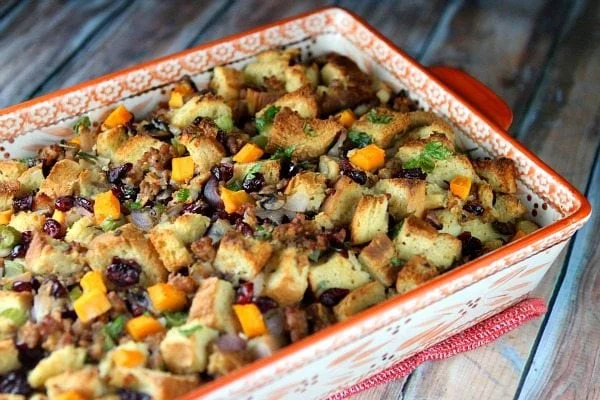
How To Make Bell Stuffing At Home

Ah, Traditional Bell’s stuffing! It’s a classic that brings warmth and comfort to any table. It has been a beloved classic in many households for decades, including mine, especially during the holidays. The stuffing’s unique taste comes from a carefully crafted blend of savory herbs and spices, which have been a secret for years, creating a flavor that’s hard to replicate. But thank God for this recipe! 

Traditional-Bell-Stuffing-Recipe

This stuffing originated in the 1800s when the Bell family first introduced their seasoned bread crumbs to the market. Bell’s stuffing has been a family favorite for decades and has maintained its unique, savory flavor over the years.  While it’s traditionally used for turkey and chicken, Bell’s stuffing is incredibly versatile. 

It can be paired with pork, served as a side dish, or enjoyed alone. I first encountered it at a family gathering, where the golden-brown stuffing was always the show’s star. The savory mix of bread, herbs, and spices made it irresistible. 

I was hooked from the first bite! I make it in my own kitchen, adding my personal touch but always sticking to the original recipe, which is full of nostalgic flavor. This stuffing has become a tradition in my home, and I can’t wait to share it with you. 

With simple ingredients like bread, onions, celery, and seasoning, Bell’s stuffing is easy to make but bursting with flavor. I’ve adopted it as part of my holiday traditions. If you’re looking for a comforting and flavorful addition to your holiday table or a delicious side dish to enjoy anytime, this Bell’s stuffing recipe is a must-try. Let’s get cooking and bring a little extra warmth to your meal!

Equipment Required

  • Cutting Board and Knife: Using a sharp knife, I chop my onions and celery on a sturdy cutting board. It makes prepping the ingredients quick and easy.
  • Large Skillet or Pan: I use my favorite skillet to sauté the onions and celery in butter. I love how evenly it cooks everything and fills my kitchen with that comforting aroma.
  • Mixing Bowl: I mix everything- sautéed vegetables, bread cubes, and seasonings in a large bowl. Having enough space to toss everything together without spilling makes the process hassle-free.
  • Measuring Cups and Spoons: I use measuring cups and spoons to measure the butter, broth, and seasonings accurately. This ensures I get that classic flavor every time.
  • Baking Sheet: To dry the bread, I spread it out on a baking sheet and leave it overnight. This step is essential for achieving the right texture.
  • Casserole Dish or Baking Dish: I use a medium-sized casserole dish when it’s time to bake. It’s just the right size to hold the stuffing and allow it to cook evenly.
  • Wooden Spoon or Spatula: I use a wooden spoon to mix the batter because it’s gentle on the bread cubes and helps everything come together ideally.
  • Aluminum Foil: I always cover the dish with foil while baking to keep the stuffing moist. Removing it toward the end gives the top a nice, crisp finish.
  • Cooling Rack: After baking, I let the dish cool slightly on a rack. This step prevents the stuffing from becoming soggy and makes serving easier.
Authentic-Bell-Stuffing-Recipe

Preparation And Cooking Time

Preparation TimeCooking TimeTotal Time
20 Minutes45 Minutes65 Minutes

How to Make Traditional Bell Stuffing At Home

Bell-Stuffing-Step-1
Bell-Stuffing-Step-2
Bell-Stuffing-Step-3
Bell-Stuffing-Step-4
Bell-Stuffing-Step-5

Expert Tips That I Recommend

  • Whenever my stuffing feels too dry, I add more poultry broth, just a few tablespoons at a time. Covering the dish with foil during baking also traps steam and helps keep the stuffing perfectly moist.
  • If I overdo it with the liquid and my stuffing turns mushy, I spread it on a baking sheet and bake it uncovered for a few extra minutes to fix it. This trick always helps evaporate the excess moisture and restores that perfect texture.
  • Sometimes, I forget to stale the bread cubes overnight. To fix it, I quickly toast them in the oven at 250°F for 10–15 minutes. It’s a lifesaver because stale bread is the secret to avoiding soggy stuffing.
  • When I notice the top browning too quickly, I cover it with foil while baking. This prevents burning and keeps the rest of the stuffing baking evenly.
  • To help my stuffing hold its shape, I gently press it into the dish without over-packing it. If it still crumbles, I add broth or melted butter to bind everything together.
  • If I overcook the stuffing and it turns dry, I drizzle some warm broth or melted butter over it just before serving. It instantly adds moisture and makes it taste fresh again.
  • I always saute the veggies with a pinch of sugar to give them a caramelized finish before mixing them with the stuffing. 
  • I often fold in some nuts or dried fruits to give the stuffing some texture. 
  • I love brushing the top with melted butter or olive oil before baking for a crunch finish. 
  • I always toss the bread gently with liquid instead of stirring roughly to prevent a gummy texture. 
  • I often add some sherry or white wine to the veggies for added flavor boost. 

FAQs About Traditional Bell Stuffing

Nutritional Information Per Serving

Traditional Bell stuffing is not a healthy recipe as it is typically high in calories, fat, and sodium. Enjoy it in moderation or customize it to fit your dietary needs. 

Here, I have mentioned the nutritional breakdown of the recipe:

Traditional Bell stuffing is best suited for omnivorous diets, particularly when paired with poultry or roasted meats. However, it may not suit those on low-sodium, low-fat, or gluten-free diets. Additionally, it isn’t ideal for strict vegetarian, vegan, low-carb, or keto diets. Certain modifications and changes in ingredients are required to make this dish more inclusive.

Stuffing-Recipe

Recipe Variations For Different Diets

  • Gluten-Free Diet: For a gluten-free version, I swap the white bread for gluten-free bread. I’ve found that gluten-free bread gives the stuffing a great texture and doesn’t sacrifice flavor.
  • Vegetarian Diet: To make my bell stuffing vegetarian, I replace the poultry broth with vegetable broth. I also use plant-based butter or olive oil instead of regular butter to maintain the richness. This keeps the stuffing hearty and satisfying without using any animal products.
  • Low-Carb/Keto Diet: On keto days, I replace white bread with cauliflower rice or keto-friendly bread. This change dramatically reduces the carbs but still gives me that satisfying texture. It’s a great way to stick to my low-carb goals without feeling like I’m missing out on a comforting side dish.
  • Dairy-Free Diet: If I need to make the stuffing dairy-free, I replace the butter with olive or coconut oil and double-check that the broth is dairy-free. The oil gives the stuffing a lovely richness, and I can still enjoy all the flavors I love.
  • Vegan Diet: For a vegan version, I swap the butter for plant-based butter or olive oil and use vegetable broth instead of poultry broth. I also ensure the bread is vegan-friendly (since some breads contain dairy or eggs). It’s so easy to adapt, and the stuffing still tastes delicious.

Storing And Reheating This Recipe

Storing

  • Refrigeration: When I have leftover stuffing, I always let it cool completely before transferring it to an airtight container and placing it in the fridge. It stays fresh in the refrigerator for about 3-4 days if I seal it properly to prevent unwanted fridge odors.
  • Freezing: If I want to save stuffing for later, I freeze it. I divide a freezer-safe bag or container into smaller portions for easier use. It keeps well for up to 1-2 months. When I’m ready to reheat, I thaw it in the fridge overnight.

Reheating

  • Stovetop Method: When reheating on the stovetop, I place the stuffing in a pan over medium heat and add a little broth or water to keep it from drying. I cover it and stir occasionally for about 8-10 minutes, which works perfectly for smaller portions.
  • Oven Method: I always use the oven for more significant amounts. I preheat it to 350°F (175°C), spread the stuffing in a baking dish, and cover it with foil to prevent drying. I bake it for 15-20 minutes, or if it’s frozen, for 30-40 minutes. I remove the foil for that crispy top during the last 10 minutes.
  • Microwave Method: I use the microwave to reheat stuffing quickly. I place a portion in a microwave-safe dish, cover it with a damp paper towel to keep it moist, and heat it in 1-minute intervals, stirring in between. If it feels a bit dry, I add a splash of broth.
  • Air Fryer Method: I use the air fryer for a crispy finish. I preheat it to 350°F (175°C), place the stuffing in an oven-safe dish or basket, and heat it for 5-8 minutes. I check it occasionally to ensure it doesn’t over-crisp; if needed, I add a little broth for extra moisture.

What To Serve With This Recipe

  • Roast Turkey or Chicken: Nothing beats the classic combination of roast turkey or chicken with stuffing for me. The tender, juicy meat pairs beautifully with the herbaceous flavors, and the gravy tie it together.
  • Mashed Potatoes: Creamy mashed potatoes are a must for me. They balance out the hearty texture of the stuffing, and I always drizzle some gravy over both for that extra comfort factor.
  • Cranberry Sauce: Cranberry sauce’s tart and slightly sweet flavor is a game-changer. It cuts through the richness of the stuffing and adds a festive touch to the plate.
  • Buttered Vegetables: I love adding a mix of roasted or steamed vegetables like carrots, Brussels sprouts, or asparagus. Tossed in butter and lightly seasoned, they’re fresh and colorful.
  • Gravy: Stuffing without gravy feels incomplete. A rich, savory gravy enhances the flavors and keeps the dish moist and satisfying.
  • Dinner Rolls: Soft or crusty bread rolls make a simple but satisfying addition. They’re perfect for soaking up all the extra gravy or juices.
  • Green Salad: When I want to lighten the meal, I go for a crisp, fresh green salad with a tangy vinaigrette. It adds a refreshing contrast to the heavier stuffing.
  • Pumpkin or Butternut Squash Soup: On cozy evenings, I like serving a creamy soup like pumpkin or butternut squash alongside the stuffing. The combination is warm, comforting, and perfect for the season.

Printable Version

Traditional Bell Stuffing Recipe

Author : Yamini Rathore
Serving : 8 Portions
Calories : 237 kcal
Total time : 1 hour 5 minutes
No ratings yet
LEAVE REVIEW »

Ingredients

  • 3/4 Cup Minced Onion
  • 3/4 Cup Chopped Celery
  • 8 Tablespoons Butter
  • 16 Slices White Bread Cubed & Left Overnight on Baking Sheet to Stale
  • 1 1/2 Cups Poultry Broth
  • 1 Tablespoon Bell’s Seasoning
  • 1 Teaspoon Kosher Salt
  • 1/2 Teaspoon Freshly Ground Pepper

Equipment

  • Cutting Board
  • Knife
  • Large Skillet or Pan
  • Mixing Bowl
  • Measuring Cups And Spoons
  • Baking Sheet
  • Casserole Dish or Baking Dish
  • Wooden Spoon or Spatula
  • Aluminum Foil
  • Cooling Rack

Instructions
 

  • Begin by heating butter in a small-sized sauté pan over medium-high heat. Once the butter has melted and is slightly bubbling, add the finely chopped onions and celery to the pan. Sauté for about 8 minutes, stirring occasionally, until the vegetables are softened and golden brown.
    Bell-Stuffing-Step-1
  • Once the veggies are done, remove them from the pan and add your cubed bread. For the best texture, make sure the bread is slightly stale or toasted. Then, transfer the sauteed celery and onion back to the pan!
    Bell-Stuffing-Step-2
  • Then, pour the broth into the bread mixture.
    Bell-Stuffing-Step-3
  • Season the mixture with kosher salt and freshly cracked black pepper to taste.
    Bell-Stuffing-Step-4
  • Sprinkle in Bell’s Seasoning adds a perfect blend of aromatic herbs and spices, giving the stuffing its signature flavor. Using a large spoon or your hands, gently toss all the ingredients together until the bread cubes are evenly coated with the broth and seasonings. Your traditional Bell’s stuffing is ready!
    Bell-Stuffing-Step-5

Notes

  • Whenever my stuffing feels too dry, I add more poultry broth, just a few tablespoons at a time. Covering the dish with foil during baking also traps steam and helps keep the stuffing perfectly moist.
  • If I overdo it with the liquid and my stuffing turns mushy, I spread it on a baking sheet and bake it uncovered for a few extra minutes to fix it. This trick always helps evaporate the excess moisture and restores that perfect texture.
  • Sometimes, I forget to stale the bread cubes overnight. To fix it, I quickly toast them in the oven at 250°F for 10–15 minutes. It’s a lifesaver because stale bread is the secret to avoiding soggy stuffing.
  • When I notice the top browning too quickly, I cover it with foil while baking. This prevents burning and keeps the rest of the stuffing baking evenly.
  • To help my stuffing hold its shape, I gently press it into the dish without over-packing it. If it still crumbles, I add broth or melted butter to bind everything together.
  • If I overcook the stuffing and it turns dry, I drizzle some warm broth or melted butter over it just before serving. It instantly adds moisture and makes it taste fresh again.
  • I always saute the veggies with a pinch of sugar to give them a caramelized finish before mixing them with the stuffing. 
  • I often fold in some nuts or dried fruits to give the stuffing some texture. 
  • I love brushing the top with melted butter or olive oil before baking for a crunch finish. 
  • I always toss the bread gently with liquid instead of stirring roughly to prevent a gummy texture. 
  • I often add some sherry or white wine to the veggies for added flavor boost.
Prep Time : 20 minutes
Cook Time : 45 minutes
Total Time : 1 hour 5 minutes

Nutrition

Calories : 237kcal  |  Carbohydrates : 25g  |  Protein : 5g  |  Fat : 13g  |  Saturated Fat : 8g  |  Polyunsaturated Fat : 1g  |  Monounsaturated Fat : 3g  |  Trans Fat : 0.5g  |  Cholesterol : 30mg  |  Sodium : 627mg  |  Potassium : 88mg  |  Fiber : 1g  |  Sugar : 3g  |  Vitamin A : 394IU  |  Vitamin C : 0.3mg  |  Calcium : 113mg  |  Iron : 2mg

More Lunch And Dinner Recipes That You Can Try

Conclusion

As I reflect on this recipe, I can’t help but appreciate how the simple combination of ingredients transforms into a flavorful, comforting masterpiece that brings people closer.

For me, it’s not just about the taste but the tradition and love that goes into making it. Each bite tells a story, and I hope this recipe becomes as cherished in your home as it is in mine.

So, gather your ingredients, follow the steps, and create a dish that will become a family favorite. Don’t forget to share your experience and any creative twists you add. I’d love to hear how it turns out for you!

Leave a Comment

Your email address will not be published. Required fields are marked *

Recipe Rating